


Saudi Arabia Highlights Golden Chicken as a National Model for Renewable Energy Transition in Sustainable Poultry Production
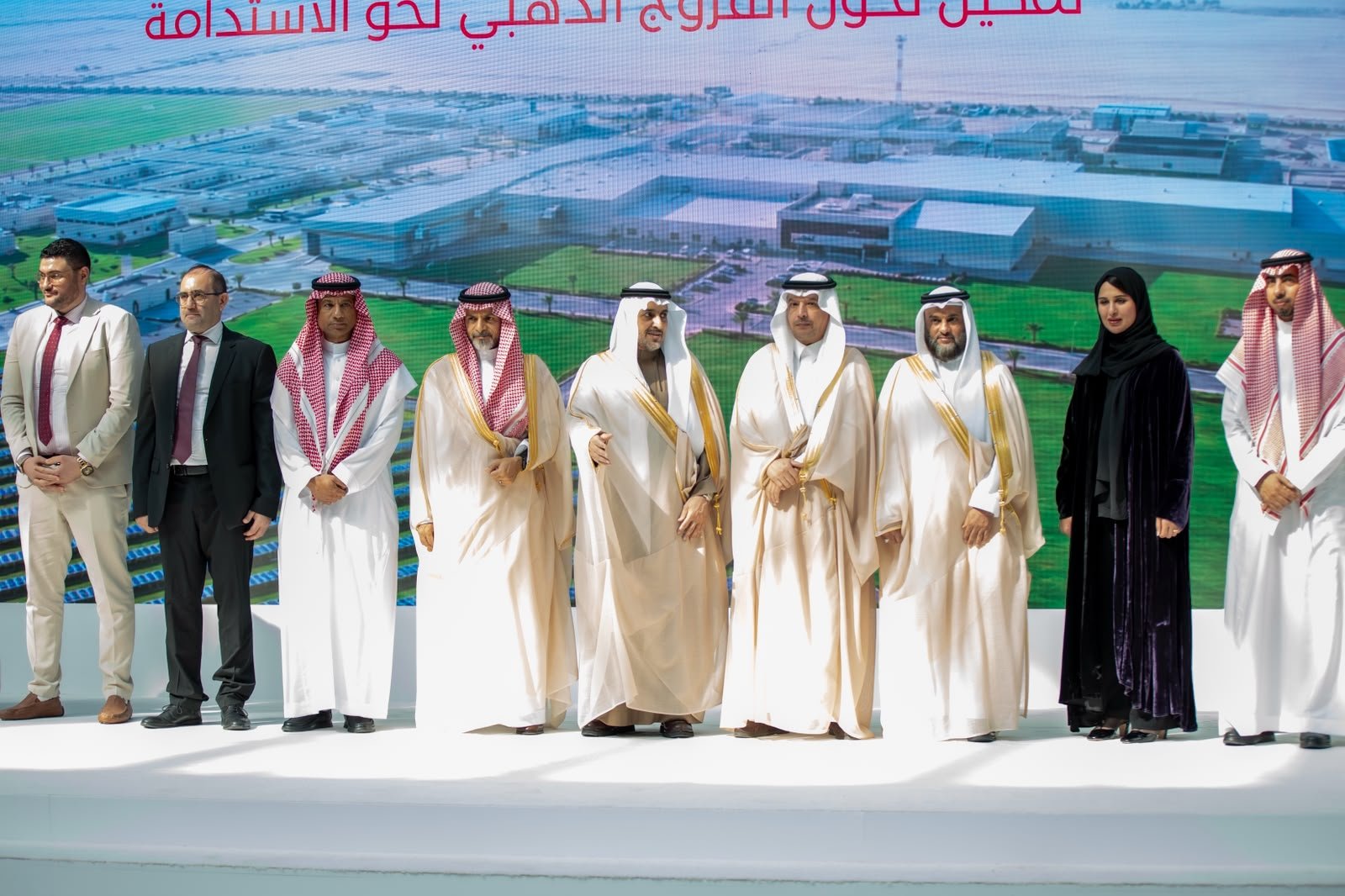
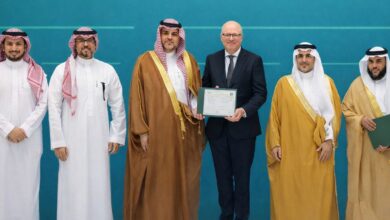
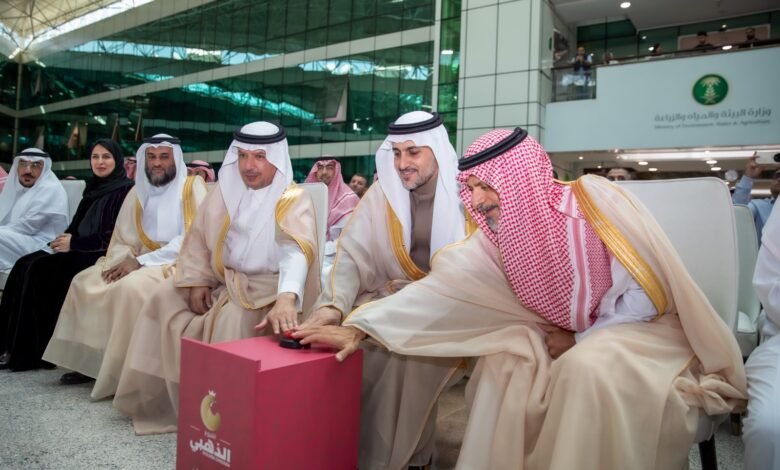
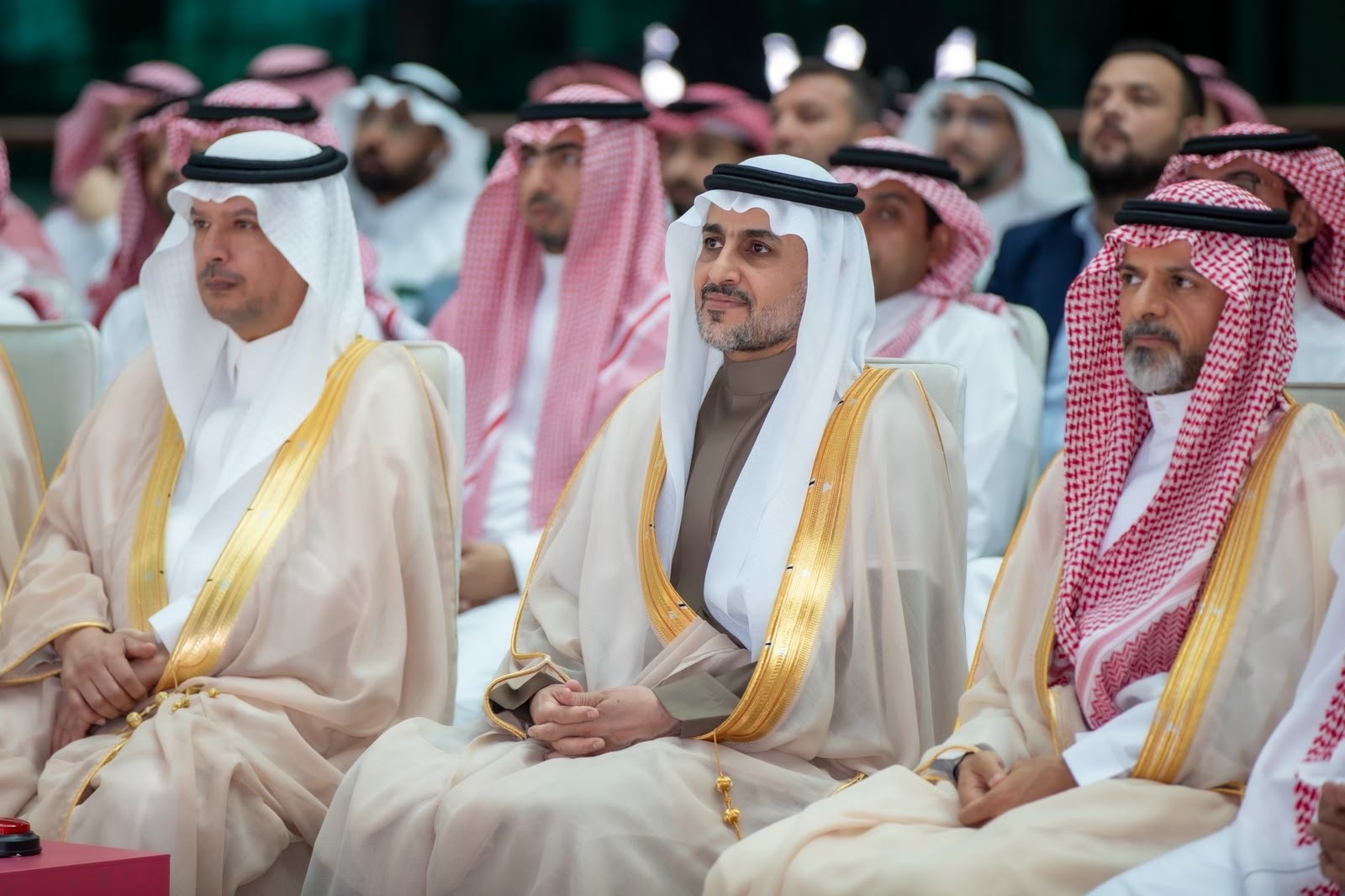
The inauguration took place during a ceremony held at the Ministry’s headquarters in Riyadh, attended by senior officials from the environmental, water and agricultural sectors, representatives of agricultural and food producers, and energy-sector partners.
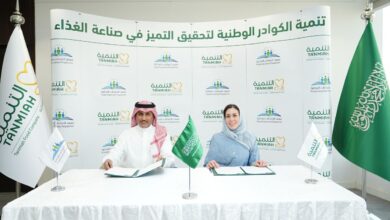
The event celebrated the commissioning of the solar power plant developed by SAFEER for Al Furooj Al Thahabi under a Power Purchase Agreement (PPA) signed on April 23, 2025. The agreement enables the company to benefit from solar-generated electricity without having to own the power plant or make a direct investment in its construction.
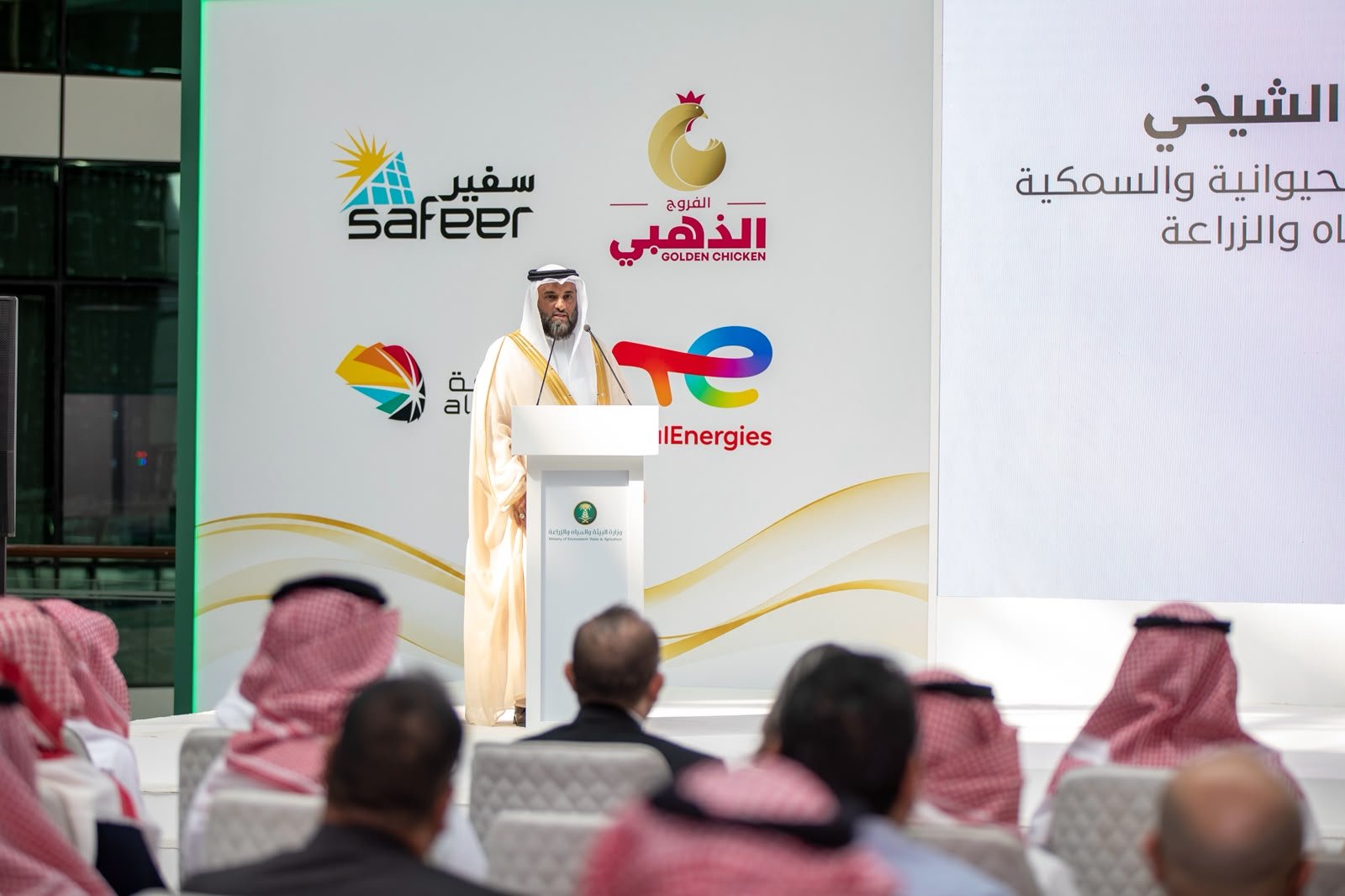
The solar facility has a maximum capacity of 5.18 MWp, equivalent to 4.13 MW of alternating current (AC), and comprises 8,160 photovoltaic solar panels equipped with a single-axis tracking system to enhance energy generation efficiency. The plant is expected to supply more than 13 GWh of electricity annually while preventing approximately 6,710 tonnes of carbon dioxide emissions each year.
The project represents a national model of cooperation between the food and energy sectors, demonstrating how renewable energy solutions can be integrated into production facilities to improve energy efficiency and reduce the environmental footprint of food-related industrial activities. This approach also strengthens the competitiveness of locally produced products and supports the sustainability of food supply chains.
The initiative highlights the economic viability of transitioning agricultural and food production facilities to solar energy, allowing businesses to benefit from renewable electricity without bearing the costs of owning or developing power plants. This model could be replicated across agricultural and food-processing facilities, encouraging wider adoption of renewable energy and strengthening private-sector participation in achieving the Kingdom’s target of a national energy mix comprising 50% renewable energy.
The project forms part of the ongoing efforts of the energy and environment, water and agriculture sectors to strengthen integration between food production, energy and environmental sustainability. It also supports the wider adoption of renewable energy across productive activities, contributing to Saudi Vision 2030 and promoting investment models that combine economic growth, environmental responsibility and food security.